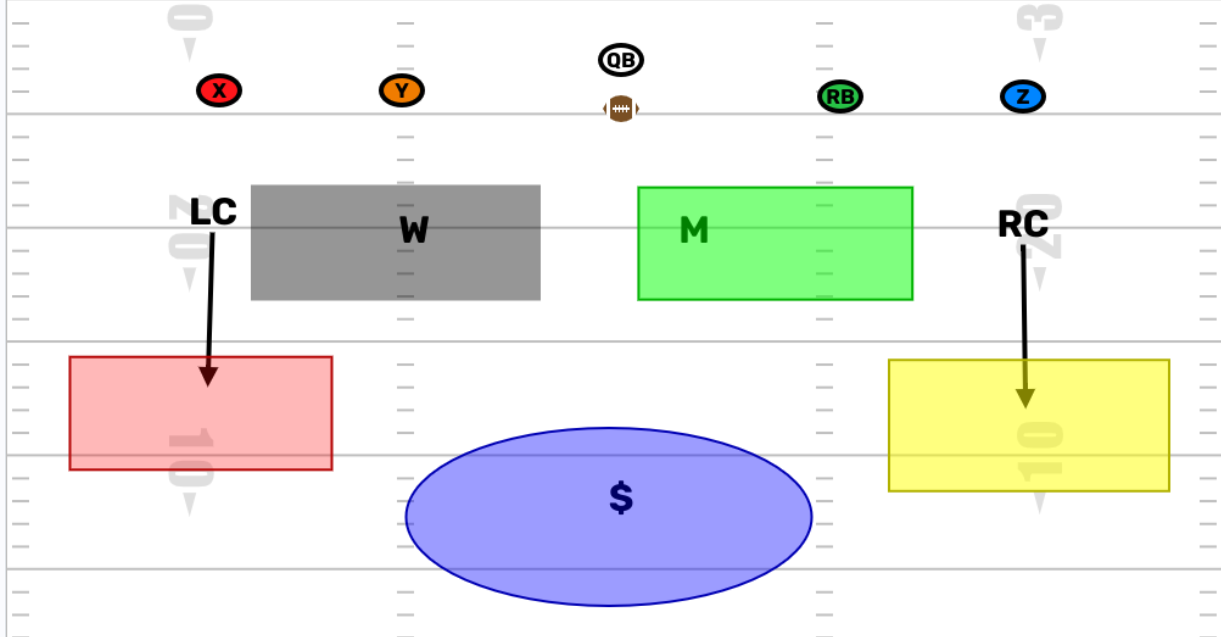
As participation in flag football continues to grow in youth, school, and recreational programs, coaches are increasingly implementing structured defensive strategies to improve team performance and reduce scoring by opponents.
Flag football, a non-contact version of American football, places greater emphasis on positioning, agility, and awareness over physical tackling. Because of this, effective defensive play is often determined by how well players can anticipate and respond to offensive movements without relying on force.
Key Defensive Strategies in Use:
Man-to-Man Defense:
This strategy assigns each defender to a specific offensive player. It is commonly used in 5-on-5 formats due to its simplicity and clear responsibilities. However, it may struggle against faster receivers or complex route patterns.
Defenders are responsible for designated areas on the field rather than specific players. Zone coverage can help limit big plays and offers better coverage against crossing routes, but requires strong communication and discipline.
Combination (Hybrid) Defense:
Some teams employ a blend of man and zone coverage. This allows flexibility-for example, covering a top offensive threat with man coverage while the rest of the defense plays zone. It is more complex and typically used by more experienced teams.
In leagues where blitzing is permitted, one or more defenders may rush the quarterback after a designated count. This can disrupt passing plays but reduces the number of defenders available in coverage, increasing the risk of open receivers.
Contain Defense:
This approach focuses on keeping ball carriers inside the field and preventing sideline runs. It is especially useful against mobile quarterbacks. Defenders are instructed to maintain "contain" positions on the edges to guide runners back toward teammates.
Background and Trends
According to USA Football and NFL FLAG, the number of flag football participants in the U.S. exceeds 1.5 million annually, with steady growth in both youth and adult divisions. The sport's inclusion in the 2028 Summer Olympics is expected to accelerate interest at both competitive and developmental levels.
Many leagues are encouraging coaches to adopt fundamental defensive strategies early in the season and build complexity over time. Free training resources, coaching certifications, and downloadable playbooks are offered by national organizations to support coaches, especially volunteers and parents new to the sport.
Experts in youth sports education emphasize that well-structured defenses contribute not only to improved gameplay but also to safety, as proper spacing and coordination reduce the risk of collisions and confusion on the field.